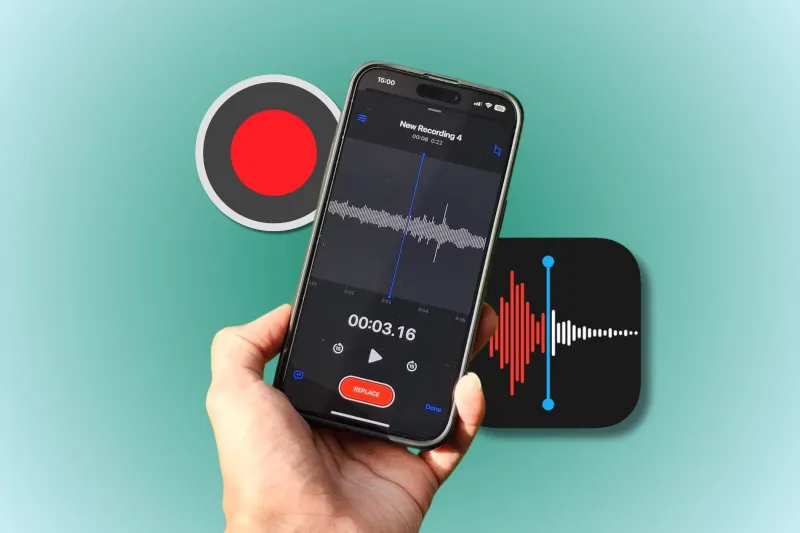
Brain Fade: We Timed How Long Your Best Ideas Actually Survive (It's Not Long)
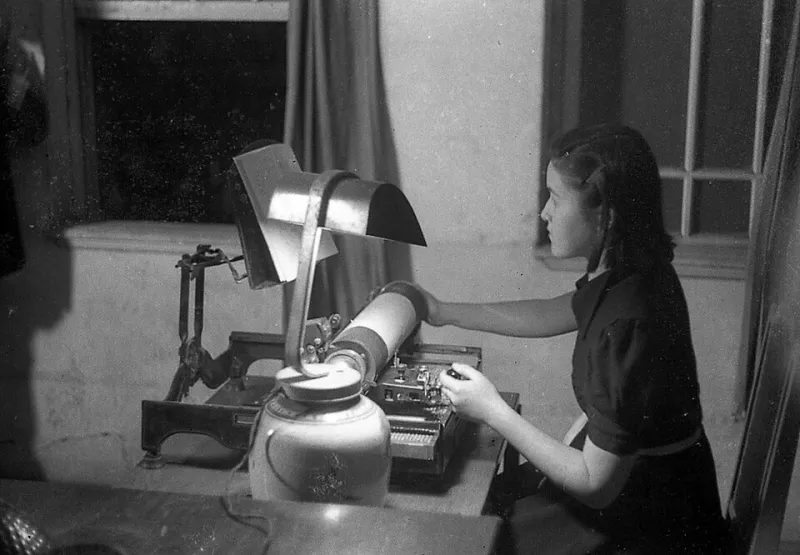
Photo: 鄧南光, Public domain, via Wikimedia Commons
You know the moment. You're in the drive-thru line, or halfway through a workout, or — the classic — standing in the shower, when a genuinely good idea shows up uninvited. You think, I'll remember that.
You will not remember that.
We wanted to know exactly how much time you have before the idea evaporates, so we looked at the research, ran a very unscientific office experiment, and then timed nine different capture methods to find out which one actually gets your thought down before it's gone.
The Forgetting Curve Is Ruthless
Back in the 1880s, a German psychologist named Hermann Ebbinghaus charted how quickly people forget new information. The short version: within one hour, most people have lost more than half of what they just learned. Within a day, it's closer to 70%.
Modern research on working memory suggests raw, uncaptured thoughts fade even faster. Your brain treats an unrecorded idea like a browser tab — it'll hold it for a bit, but the moment something else demands attention (an email pings, a barista calls your name, your kid asks a question), the tab closes and the idea is gone.
Our office experiment made this painfully real. We asked six NotePod staffers to jot down every idea they had during the day immediately, then again three hours later from memory. The later versions weren't just vaguer — they were often different ideas entirely. The brain had quietly filled in the gaps with something plausible. Scary stuff.
The takeaway: the window between "I have an idea" and "I'll type it later" is where good thinking goes to die. Every second of friction matters.
The Friction Audit: What Stands Between You and Your Notes App
So we timed it. Using a stopwatch app and a lot of coffee, we measured how long it takes to get a real thought into a note using nine common methods. Here's the leaderboard, fastest to slowest:
- Lock-screen widget (tap, type one line): ~7 seconds. On both iPhone and most Android launchers, you can pin a quick-note widget to your lock screen or always-on display. Zero app switching. This was our champion.
- Voice assistant trigger: ~9 seconds. "Hey Siri, remind me..." or "Hey Google, take a note." Slower than expected — the assistant often needs a beat to confirm — but the winner when your hands are full, like while driving I-95 with the windows down.
- Share-sheet shortcut: ~12 seconds. iOS and Android shortcuts that dump text straight into your notes app of choice. Great once you've set them up; invisible if you haven't.
- Apple/Google Notes pinned to dock: ~14 seconds. Reliable, if slightly buried.
- Dedicated capture apps (Drafts, etc.): ~15 seconds. Built for exactly this, and it shows.
- Full note app, new note, title, body: ~25 seconds. This is where most people live, and it's exactly why most ideas die. Twenty-five seconds is an eternity of distraction.
- Opening your laptop: ~45+ seconds. If your capture plan starts with "boot up the MacBook," your capture plan is a suggestion, not a system.
Notice the pattern: the difference between the best and worst method isn't marginal. It's the gap between catching a thought and reconstructing a corpse of one.
Set It Up Once, Save Every Idea After
Here's the good news: you only have to do the setup work once. Ten minutes this weekend buys you a lifetime of seven-second captures.
- iPhone: Long-press your lock screen, tap Customize, and add a Notes or quick-capture control. Or add a Notes widget to your home screen's first page.
- Android: Most launchers let you pin a note widget directly to the lock screen via apps like Google Keep.
- Everywhere: Map a back-tap gesture or keyboard shortcut to open your capture app. Muscle memory does the rest.
- For the voice-first crowd: Test your assistant's note commands before you need them. Discovering mid-commute that it doesn't integrate with your notes app is a special kind of betrayal.
One warning from our testing: don't build a capture system. One inbox, one place. The moment your quick note requires deciding where the note goes, you've reintroduced the friction you just removed. Sort it later. Capture now.
The 30-Second Rule
If an idea isn't written down within 30 seconds of arriving, assume it's already halfway out the door. Build your setup so that 30 seconds is laughably generous — so capturing takes less time than deciding whether to capture.
Your future self, flipping through a notes app full of actual ideas instead of vague ghosts of them, will send her thanks. Probably from the shower, where she just had another one.